Cost and Value: Is a Hair Transplant in Turkey Worth It?

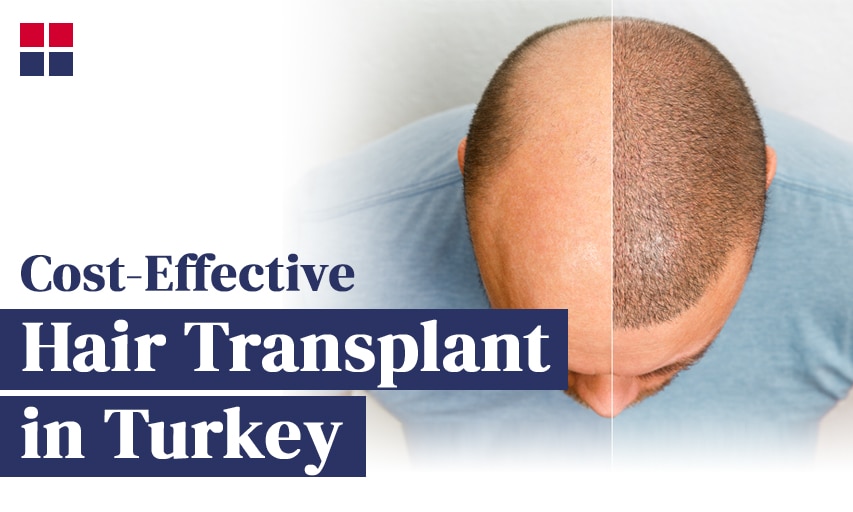
Turkey has become one of the top global destinations for hair transplantation. People from Europe, the Middle East, Asia, even the Americas are traveling there to get hair restoration not just for the price but for excellent results combined with cost savings. But “cheap” doesn’t always mean better, and knowing what contributes to cost versus quality will help you make an informed decision.

Understanding the Price Range

The cost of a hair transplant in Turkey in 2025 generally ranges from **USD $1,500 to $7,000**, depending on a number of factors.

For example:

  • Standard FUE procedure (2,000–4,000 grafts) often costs between **$1,500 and $3,500**.
  • More advanced methods (DHI, Sapphire FUE) or packages including hotel, transfers, aftercare etc., push the price toward **$3,000–$6,500+**.

What You Get for Your Money

Now why Turkey can offer lower prices relative to many Western countries but still deliver good quality:

  • Lower cost of living and operating expenses for clinics.
  • Medical tourism infrastructure: many clinics offer all-inclusive packages (surgery + hotel + airport transfers + aftercare) which streamline the process.
  • Experienced surgeons and high volume many clinics perform transplants regularly, which helps in proficiency.
Beware of the “Too Good to Be True” Offers

Very low prices—say under **USD $1,200–$1,500** for a large graft number or method that usually costs more often hide drawbacks. These may include:

  • Non‑doctor or inexperienced staff handling parts of the procedure.
  • Poor graft survival, cheap tools, inadequate aftercare.
  • Hidden fees not included in the quoted package (post‑op meds, extra nights in hotel, Conclusion: Balancing Cost with Quality

If you’re considering a hair transplant in Turkey, evaluate the full package: method, surgeon’s reputation, clinic hygiene and accreditation, included services, and aftercare. Paying more for a reliable, reputable clinic can often save you from complications or needing revision surgeries later. The value is high when done right but “cheap” must be vetted carefully.


How to Choose the Best Home Care Supplies: A Buyer’s Guide

Introduction

Selecting the right home care supplies can be overwhelming. With a growing market of products available in-store and online, it’s important to know what to look for in terms of safety, quality, and value.

1. Assessing the Patient’s Needs

Start by identifying:

  • Medical conditions (e.g., diabetes, arthritis)
  • Mobility limitations
  • Skin sensitivities or allergies
  • Incontinence or wound care needs

Consult healthcare providers or occupational therapists for guidance.

2. Quality Over Quantity

Look for:

  • Durable materials
  • Easy-to-clean surfaces
  • Proper size and fit (especially for mobility items or adult diapers)
  • Certifications from regulatory bodies (HSA, FDA, CE)

3. Trusted Brands vs Budget Picks

Don’t be swayed by price alone. While budget-friendly options exist, brands with long-standing reputations often provide better warranties and customer support.

Examples:

  • TENA (incontinence)
  • Omron (monitoring devices)
  • Invacare (mobility aids)

4. In-Store vs Online Shopping

In-store benefits:

  • Try before you buy
  • Staff support for setup
  • No delivery wait

Online benefits:

  • Often cheaper
  • Access to wider range of products
  • Convenient and discreet shipping

Choose hybrid purchasing: try products locally, reorder online.

5. Reviews & Recommendations

Before buying, read:

  • Customer reviews
  • Product ratings
  • YouTube tutorials for setup

Join caregiving forums or Facebook groups for real-life insights.

6. Return Policies & Warranties

Always ask:

  • Can this be returned or exchanged if defective?
  • What is the warranty duration?
  • Is after-sales support available?

This is critical for bigger items like hospital beds or commodes.


The Rise of HSA‑Licensed E‑Pharmacies & Online Medical Retail

Digital transformation has reshaped how Singaporeans obtain medical supplies and medications. A prime example is the evolution of HSA‑licensed e‑pharmacies:

HSA‑Licensed E‑Pharmacies

WellAway (by Hyphens Pharma) is Singapore’s first e‑pharmacy licensed by HSA (Jan 2022), delivering e‑prescriptions within 3 hours to eligible patients . Key benefits:

  • Convenience: Seamless ordering via GP, no physical visit.
  • Speed: Rapid delivery, ideal for chronic meds and vulnerable patients.
  • Security: Encrypted e‑prescriptions; licensed pharmacists handle the fulfilment.

Online Medical Retail

Several medical supply providers now offer online shops, including:

  • PHarMed – OTC and equipment
  • Medpro – medical devices & diagnostic tools
  • Essentials Pharmacy – via Shopee, GrabMart and WhatsApp

Choosing Online vs In‑Store

Pros of Online:
• Convenience & no travel
• Broader product selection
• Possible offers/discounts

Pros of In‑Store:
• Face-to-face consultation
• Ability to inspect and test products
• Immediate fulfilment

Ideal caregivers/patients often use a hybrid approach: purchase consumables like gloves and masks online, but visit stores for mobility aids or custom needs.

Tips for Safe Online Orders

  • Confirm HSA‑licensed retailers (GDPMDS)
  • Ensure delivery includes temperature control for thermosensitive items
  • Keep prescriptions for pharmacist-led delivery services (e.g., WellAway)