Nutrition for Healthy Hair: Foods and Tips for Stronger, Shinier Locks

Healthy hair is a reflection of overall wellness, and proper nutrition plays a crucial role in promoting strong and shiny locks. This article explores key nutrients, foods that support hair health, and practical tips to enhance your hair care routine through nutrition.

1. The Importance of Nutrition for Hair Health

What you eat can significantly impact the health and appearance of your hair:

  • Growth Support: Nutrients supply the building blocks for hair growth and strength.
  • Moisture Retention: A balanced diet can help maintain hair hydration, preventing dryness and brittleness.
  • Overall Wellness: Healthy hair often indicates overall health, as it can reflect nutritional deficiencies or imbalances.

2. Key Nutrients for Healthy Hair

Several key nutrients are particularly beneficial for hair health:

  • Protein: Hair is primarily made of keratin, a type of protein. Include sources like fish, chicken, legumes, and nuts to support growth.
  • Biotin: Essential for hair structure, biotin can be found in eggs, nuts, and whole grains.
  • Vitamins A and C: These vitamins help in sebum production and fight oxidative stress. Sources include carrots, sweet potatoes, oranges, and spinach.
  • Iron: Vital for oxygen transport in the body, iron deficiency can lead to hair loss. Include red meat, spinach, and legumes.
  • Omega-3 Fatty Acids: Promote scalp health and shine. Found in fatty fish, walnuts, and flaxseeds.

3. Foods That Promote Healthy Hair

Incorporate these nutrient-rich foods into your diet for better hair health:

  • Eggs: An excellent source of protein and biotin, essential for hair structure.
  • Berries: Packed with antioxidants, vitamins, and nutrients that support hair health.
  • Spinach: High in iron, vitamins A and C, helping with scalp hydration and hair loss prevention.
  • Greek Yogurt: Rich in protein and vitamin B5, supporting hair structure and growth.
  • Sweet Potatoes: A great source of beta-carotene, which converts to vitamin A and promotes a healthy scalp.

4. Practical Hair Care Tips through Nutrition

Here are some tips to enhance your hair health through diet:

  • Stay Hydrated: Drink plenty of water daily to keep hair hydrated from the inside out.
  • Avoid Excessive Heat: Limit the use of heat-styling tools to prevent damage, supplementing with nutrient-rich foods.
  • Balance Your Diet: Focus on a well-rounded diet that includes a variety of nutrients for optimal health.
  • Consult with Professionals: Consider speaking with a nutritionist or healthcare provider if you’re facing significant hair issues.

5. Conclusion

Nutrition plays a vital role in maintaining healthy hair. By focusing on key nutrients and incorporating hair-friendly foods into your diet, you can support hair growth, shine, and overall health. Start making these dietary changes today for vibrant, beautiful hair!
Nutrition for Weight Gain: Strategies and Foods for Healthy Weight Increase

While many focus on weight loss, there are individuals who seek to gain weight, whether for health reasons, athletic goals, or other personal motivations. Proper nutrition is vital for achieving healthy weight gain. This article discusses effective strategies, foods to include, and meal planning tips for increasing weight in a nutritious way.

1. Understanding Healthy Weight Gain

Healthy weight gain involves increasing body mass primarily through muscle rather than fat. This requires a caloric surplus—consuming more calories than the body expends—while also focusing on nutrient-dense foods.

2. Key Nutritional Strategies

Here are some essential strategies for healthy weight gain:

  • Caloric Surplus: Aim to consume 300-500 extra calories per day to promote gradual weight gain without excessive fat accumulation.
  • Frequent Meals: Eat 5-6 smaller meals throughout the day instead of 2-3 large meals to increase overall caloric intake.
  • Choose Nutrient-Dense Foods: Focus on foods that provide a high number of calories and nutrients, such as avocados, nuts, and whole grains.

3. Foods to Include for Healthy Weight Gain

Incorporate these calorie-dense and nutritious foods into your diet:

  • Nuts and Nut Butters: Almonds, walnuts, and natural nut butters are high in healthy fats and calories.
  • Whole Grains: Foods like quinoa, brown rice, and whole wheat pasta provide sustained energy and fiber.
  • Dairy Products: Full-fat milk, yogurt, and cheese are excellent sources of protein and calories.
  • Healthy Oils: Olive oil, coconut oil, and avocado oil can be added to meals to increase caloric content.
  • Lean Proteins: Chicken, turkey, fish, beans, and legumes support muscle growth and repair.
  • Starchy Vegetables: Potatoes, sweet potatoes, and corn are higher in calories compared to leafy greens.

4. Meal Planning Tips

Here are some tips for effective meal planning to promote weight gain:

  • Plan Balanced Meals: Ensure each meal includes carbohydrates, protein, and healthy fats to promote nutrient absorption and satiety.
  • Snack Wisely: Choose calorie-dense snacks, such as trail mix, protein bars, or smoothies, between meals.
  • Track Your Intake: Consider keeping a food diary to monitor your caloric intake and adjust your portion sizes as needed.
  • Stay Consistent: Adhere to your meal plan and make adjustments based on your progress and energy levels.

5. Conclusion

Nutrition for weight gain requires a strategic approach that focuses on caloric surplus and nutrient-dense foods. By incorporating a variety of healthy foods and following effective meal planning tips, individuals can achieve their weight gain goals in a healthy and sustainable way. Start making these dietary changes today for a stronger, more energetic tomorrow!

What to Know Before Getting a Hair Transplant in Turkey

Thinking about getting a hair transplant in Turkey? It’s an attractive option, but preparation matters. Knowing what to expect, how to choose the right clinic and surgeon, and how to take care of yourself before and after will make a big difference in the results and your experience.
What to Know Before Getting a Hair Transplant in Turkey

Choose the Right Clinic and Surgeon

Do your research. Some key things to check:

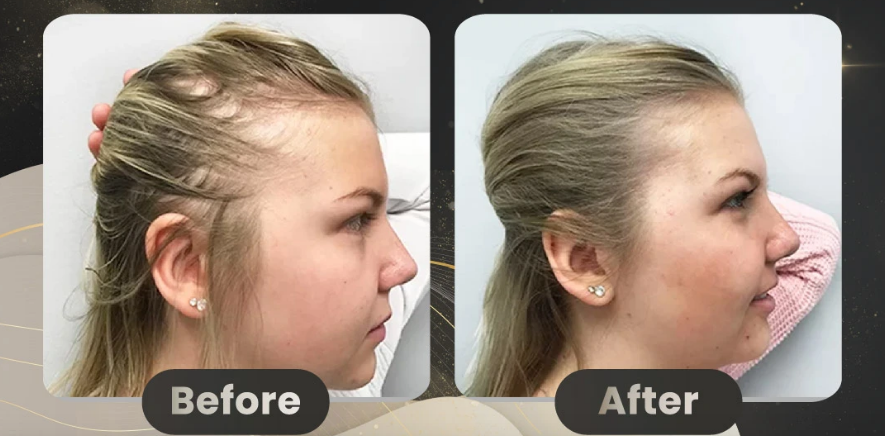
  • Surgeon credentials and specialization in hair transplant techniques. Ask for before-and-after photos.
  • Clinic reputation reviews from patients, transparency about graft survival rate, how many surgeries a surgeon does per day.
  • Facility accreditation, hygiene standards, whether they use up‑to‑date equipment.

Understand Different Techniques

Some of the common methods include:

  • FUE (Follicular Unit Extraction) individual follicles extracted and implanted. Less scarring, good recovery.
  • DHI (Direct Hair Implantation) uses a pen‑like tool for implantation, can allow better density and angle control. More expensive.
  • Sapphire FUE uses sapphire blades for more precise incisions, possibly less trauma.

Pre‑Op Preparations

To help the surgery go smoothly, you should:

  • Avoid smoking and alcohol for at least 1 week before the operation. They affect blood flow and healing.
  • Stop or adjust medications (especially blood thinners, some vitamins) if advised by your doctor.
  • Sleep well, stay hydrated, and plan logistics (hotel, transfers) ahead of time.

Aftercare and Recovery

Postoperative care heavily influences how well grafts survive and how natural the result looks.

  • Follow the clinic’s instructions for washing, medications, avoiding sun exposure.
  • Expect swelling, mild discomfort, scabbing these are normal.
  • Be patient: visible growth may start after a few months, and full results can take 9‑12 months.

Risks and Realistic Expectations

No surgery is risk‑free:

  • Some grafts may not survive.
  • Possible infection, poor healing, or unnatural hairline if design is not suited to your face.
  • You may need more than one session, especially for large bald areas or low donor density.

Final Thoughts

A hair transplant in Turkey can be a great option if you prepare properly and select a reputable clinic. Don’t rush based purely on low cost. The goal should be natural‑looking results, safety, and long‑term satisfaction.